Shaping the Employee Experience Through Internal Communication and Immersive Learning
Why: Employee Experience Is a Strategic Priority
In every workplace—whether in the Philippines, Malaysia, Vietnam, Singapore or anywhere —fostering a healthy employee experience isn’t just an added “tick” on the managerial to-do list. It’s integral to the success and longevity of any company.
A positive employee experience directly results in lower turnover rates, improved work performance, and overall higher engagement.
But what actually drives this experience? While many companies focus on compensation or physical workspaces, two of the most overlooked and underleveraged tools are internal communication and immersive learning. These two factors play a vital role in shaping how employees feel, learn, and contribute at work. When used effectively, they serve as the building blocks of a healthy, thriving workplace—where employees feel heard and are equipped to grow.
How: Internal Communication and Immersive Learning Empower Employees
Effective internal communication doesn’t stop at sending company-wide emails or updating the bulletin board. It encourages two-way dialogues, participation, and allows every employee—regardless of position or seniority—to have an opportunity to use their voice and feel heard. In our day and age, internal communication tools have improved dramatically, allowing for real-time updates, seamless collaboration, and company-wide engagement. Platforms like Workplace, Microsoft Teams, and Slack are just a few examples.
When employees are encouraged to ask questions, share opinions, raise concerns, and engage in conversations with more senior-ranking employees, it helps them feel respected and included in the company’s direction. This fosters a deep sense of inclusivity and transparency, which are crucial to building belonging, trust, and positive engagement. A recent study by Salesforce even found that employees who feel their voice is heard are 4.6 times more likely to feel empowered to perform at their best.
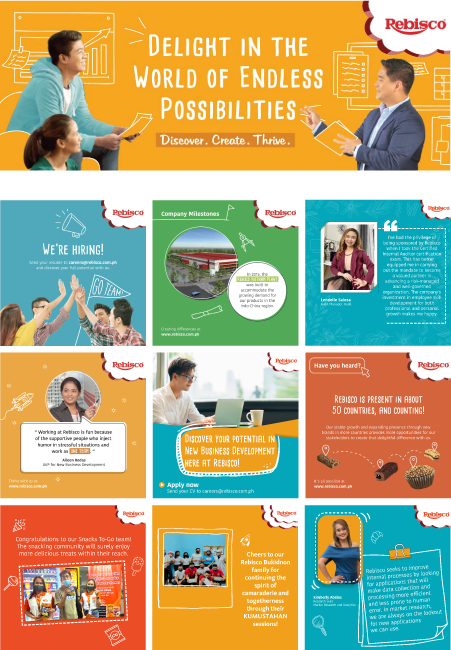
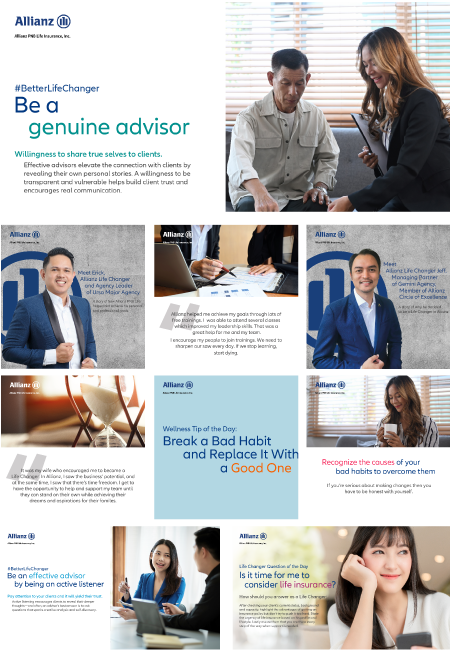
Internal communication also plays a key role in shaping corporate culture. Whether it’s through open Q&As, spotlighting employee achievements, updates from leadership, or even informal check-ins—this kind of bilateral communication contributes to a stronger, more positive culture. This becomes even more critical in hybrid work setups, where isolation and lack of visibility can quickly lead to disengagement.

Immersive Learning: Personalized, Practical, and Engaging
Immersive Learning: Personalized, Practical, and Engaging
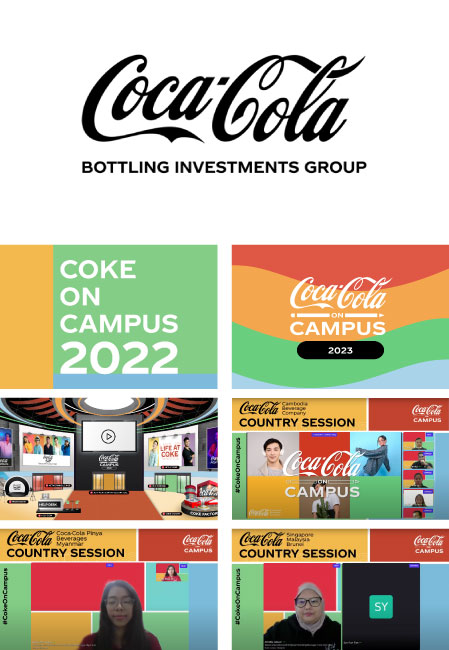
On the other side of the equation is immersive learning—a transformative approach to training and development that goes beyond traditional seminars or video tutorials. More dynamic methods now involve tools like virtual reality (VR), augmented reality (AR), interactive simulations, or gamified eLearning. These tools offer more immersive learning experiences by providing realistic, hands-on training that feels engaging and relevant.
Instead of simply reading about best practices in customer service, for example, an employee might go through a branching scenario where they interact with a virtual customer, allowing them to experience the consequences of their decisions in real-time. This kind of active learning boosts confidence, improves knowledge retention, and makes the learning process more enjoyable overall.
Immersive learning also allows companies to train people at scale without compromising personalization. Employees can go at their own pace, revisit modules when needed, and engage with content in ways that suit their learning styles. This helps build a more inclusive learning environment, where everyone—from new hires to experienced managers—feels supported in their growth. And here’s the connection: when people are given the tools and space to grow, they’re far more likely to stay.

What: Building a Better Workplace Through Voice and Growth
What: Building a Better Workplace Through Voice and Growth
Both internal communication and immersive learning are fundamentally about employee empowerment. They represent two sides of the same coin: one gives employees the platform to speak, the other gives them the tools to grow. Together, they significantly elevate the employee experience. When used intentionally, these tools help employees feel: connected through consistent and transparent communication, heard when feedback is acknowledged and acted upon, capable when learning is engaging, relevant, and personalized, and valued when the company invests in their growth and ideas. These aren’t just abstract ideas—they directly impact key business outcomes. According to Gallup, organizations with highly engaged employees see 21% higher profitability and 59% lower turnover. That’s the power of designing a workplace that listens and teaches well.
A positive employee experience doesn’t just happen overnight—or through wishful thinking. It takes intentional action, with the right tools and practices in place. By prioritizing internal communication and immersive learning, companies can create a culture where employees feel supported, heard, and ready to thrive.
It’s time to move past one-way memos and outdated training slides. The future of work is interactive, dynamic, and human-centric. And when every employee has a voice—and the knowledge to use it—you don’t just build a stronger workforce. You build a better place to work.
TalentView is a leading employer branding firm with a mission of elevating human capital standards across the ASEAN region. Working directly with business leaders in Fortune 1000 companies. TalentView's solutions help create and maintain exceptional experiences to attract, engage, and retain their talents. Partnering with key global players including Meta, Workvivo, Humand, Flip, Talegent, Indeed, Glassdoor, Uptale, Digimind, and Hootsuite.